P.O, Box 3002
Saratoga, CA 95070
ph: (408)868-8756
info

2018 Mount Emei Yoga Center Collaboration
Yoga vs Qi-Gong
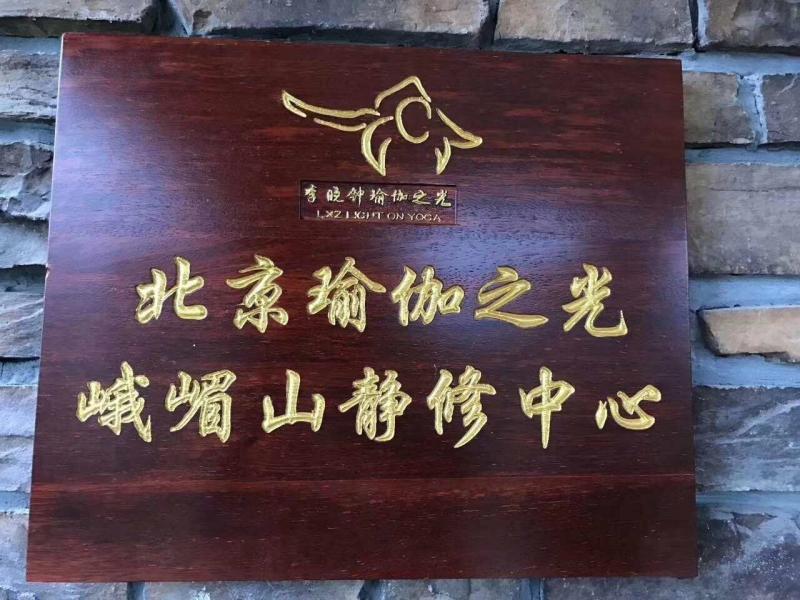
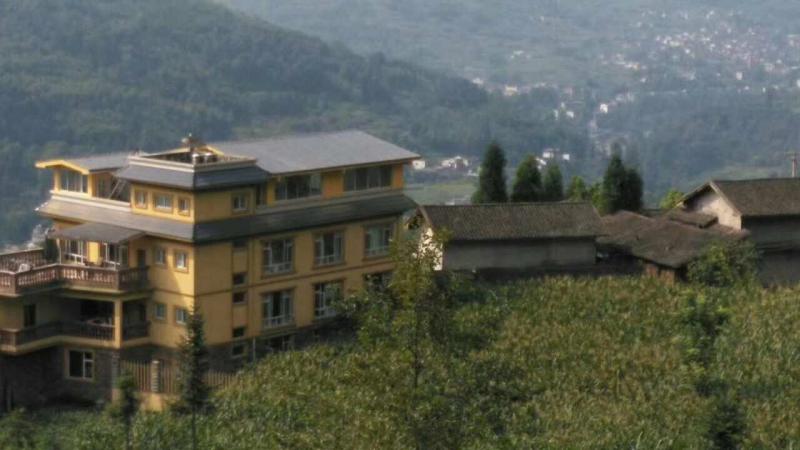
August 2018, Foundation visited Mount Emei Yoga Center in Sichuan China. Foundation set the goal earlier to explore the differences and similarities of Qi-Gong and Yuga, and try to understand in-depth on how Yuga improving health.
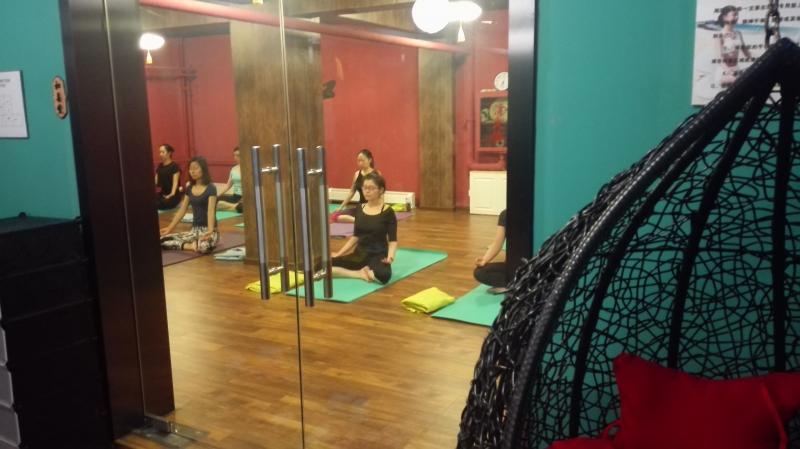
On 8/15/2018, Foundation participated in their 15 day enhanced yoga training for both yoga theory and physical practice.
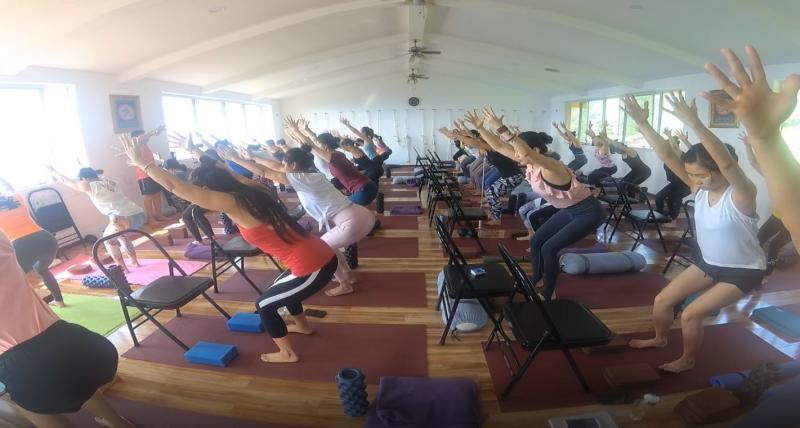
The seminar broke down to 30 sessions in 15 days. The training covers human body from head to feet.
1. Cervical spondylosis
2. Upper back enhancement
3. Shoulder area exercise
4. Lumbar disc herniation treatment with abdomen stretch
5. Yoga therapy for Lumbar muscle strain
6. uttanasana
7. parsvottanasana
8. paschimottanasana
9. adho mukha svanasana
10. Janu sirsasana
11. marichayasana
12. parivrtta uttanasana
13. parsva adho mukha svanasana
14. salabhasana
15. Using roller
16. Using Large Peanut Ball
17. Magic chair
18. Front body stretching
19. Bridge shoulder stand
20. Yoga therapy for Calf shank ankle joint and foot
21. calf varicose veins
22. Pain management
23. Upper back relaxation
24. Lower back relaxation
25. Introduction to various forms
26. Yoga basic introduction 1
27. Yoga basic introduction 2
28. Yoga basic introduction 3
29. Yoga basic introduction 4
30. Yoga basic introduction 5
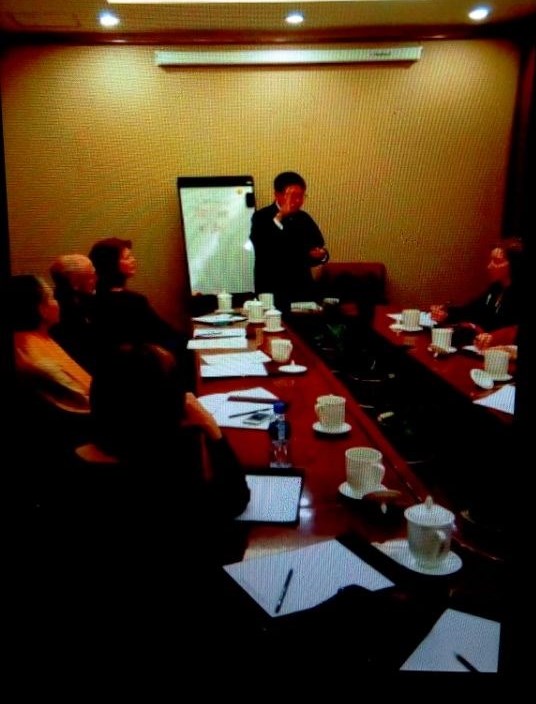
Foundation presentation of Yoga vs Qi-Gong
At the seminar, Foundation also presented the relation between Traditional Yoga and Chinese Qi-Gong. Below is a summary of our presentation.
"Qigong" is mainly the Chinese saying, mainly from the health, fitness, and rickets training methods of Taoism, Buddhism, and Chinese medicine. Yoga is mainly from India. What they have in common is that they are all three-tone, that is, tempering, adjusting (adjusting posture), and adjusting interest rates, but usually the popular yoga technique is too much to adjust the body, as if there is no posture training, it is not counted. Yoga is over. But the more qigong becomes more and more important, the "heart" is the core thing. There is another saying in Taoism: There is no way in the world, and the saints have no two minds. That is to say, all the methods of physical and mental training, the methods of enlightening the laws of the universe, and the methods of solving the pains of physical and mental pain, to the advanced stage, the actual is the same way, the method Just a means, not an end. But one thing to note is that Taoism, Buddhism (study) and Taoism and Buddhism are still different. The former is biased towards science and philosophy. The latter has anthropomorphic, mythological and even somewhat superstitious, although There are also a large number of methods of physical and mental training in religion, such as Taoist inner and outer Dan, prayer, meditation, repentance, etc. in Jerusalem, but there are still some differences, so I will not elaborate on it.


P.O, Box 3002
Saratoga, CA 95070
ph: (408)868-8756
info